The Art of Maturation: What Happens in the Dark.
How affineurs manage humidity, rind respiration, and microbial succession over months of quiet vault aging in the Irish climate.
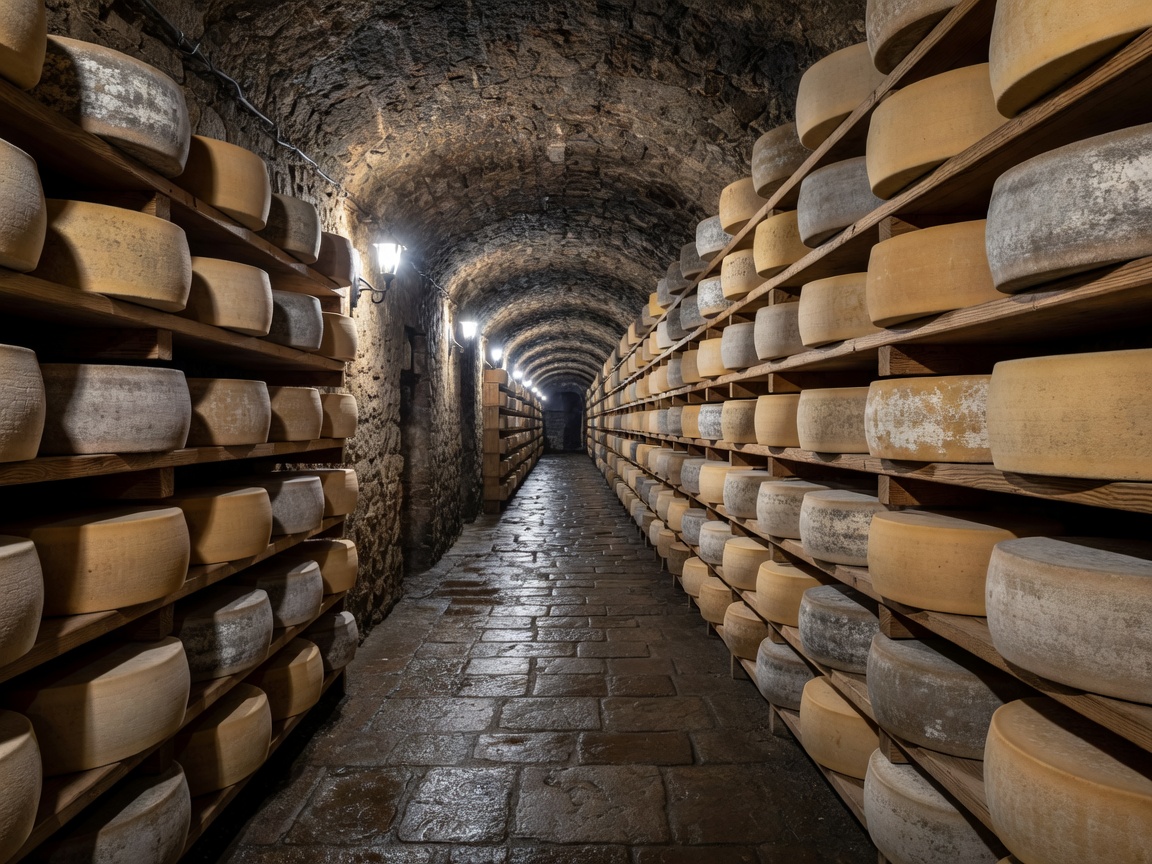
The Vault as an Active Incubator
When a young cheese wheel enters our subterranean limestone vault, it is physically firm, acidic, and relatively one-dimensional in taste. It consists primarily of coagulated casein proteins, butterfat globules, residual water, and salt. What converts this simple dairy mass into a complex masterpiece over eighteen months is the biological discipline known as affinage.
Unlike commercial refrigeration chambers where circulating dry air rapidly leaches moisture, our limestone vault acts as a passive thermodynamic buffer. The rock absorbs excess vapour during humid Atlantic storms and radiates it back into the chamber during drier frosty periods, sustaining an optimum 88% relative humidity without mechanical disturbance.
The Dynamics of Proteolysis and Lipolysis
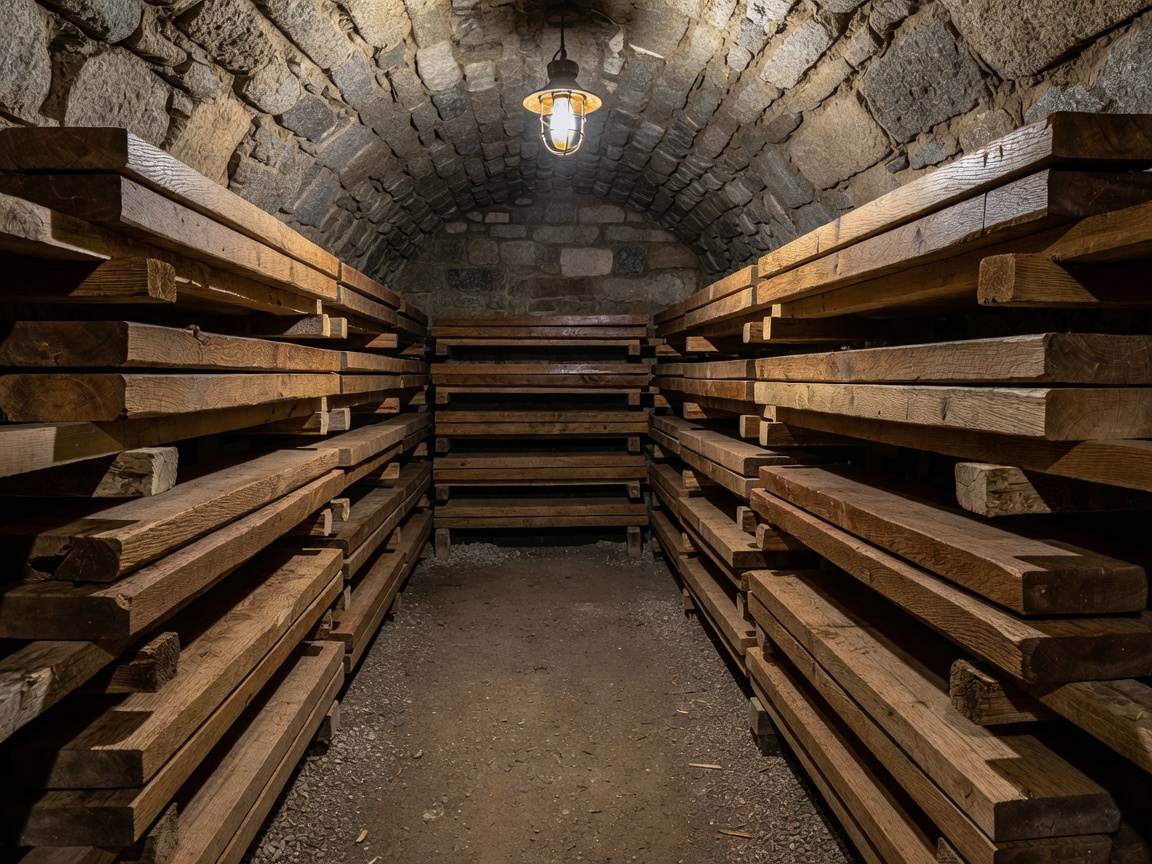
As the wheel rests upon untreated Irish oak planks, two chemical cascades reshape its interior:
- Proteolysis: Residual enzymes (both from native milk proteases and the starter cultures) break large protein chains into peptides and free amino acids. In long-aged cheddars, tyrosine amino acids precipitate out of solution, forming the coveted micro-crystals that deliver pleasant savory crunches.
- Lipolysis: Milk fats are gradually cleaved into free fatty acids, generating complex aromatic volatile compounds: lactones (producing buttery, peach-like sweetness), esters (yielding fruity notes), and sulfurous compounds (imparting rich broth and roasted allium undertones).
The Living Shield: Rind Ecology
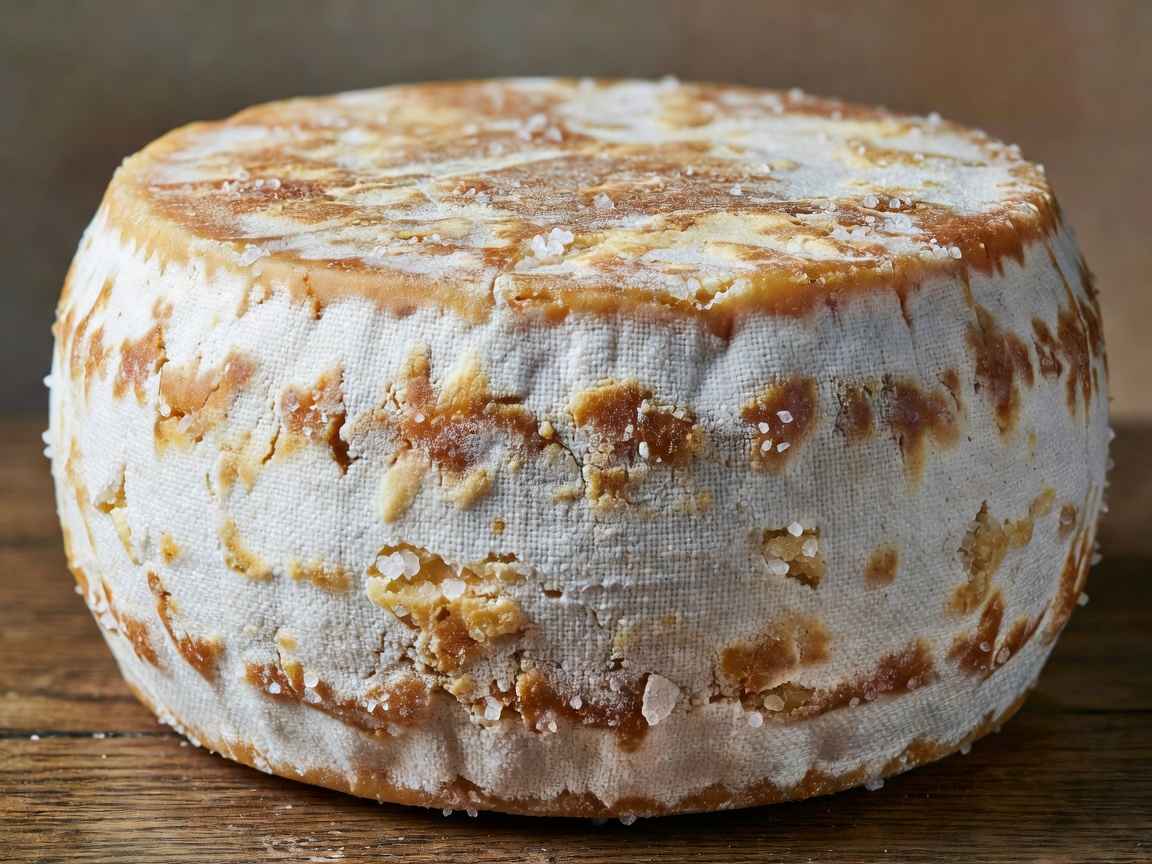
Every style cultivated in our vault develops its own characteristic microbial fingerprint. Washed-rind cheeses foster communities of Brevibacterium linens and geotrichum molds that flourish on daily brine washes. Clothbound wheels develop complex carpets of friendly flora that breathe with the seasons while sealing in essential moisture.